Mining

Fatigue kills. In mining, it contributes to equipment rollovers, haul truck collisions, and near-misses that never make the incident report. On the road, it causes roughly one-third of all accidents. Yet the regulatory landscape around fatigue is surprisingly thin, and where rules do exist, enforcement is shifting. This page covers the regulations that apply to...

Human perception is a poor indicator of drowsiness. In industries where worker safety is paramount, relying on self-assessment alone can introduce serious operational risks. Key summary: In this article, we discuss why humans are fundamentally poor at assessing their own drowsiness, particularly in safety-critical environments like mining and transport. It explores: Why subjective awareness of...
Desafio do cliente: Turnos mais longos sem aumentar o risco Uma grande mineradora na América do Sul enfrentava uma decisão operacional significativa. Para melhorar a eficiência e o planejamento da força de trabalho, o site considerava a transição de uma escala de três turnos de 8 horas por dia para dois turnos de 12 horas...
Desafio do cliente: Incidentes frequentes em um ambiente de alto risco Uma grande mineradora na América do Sul enfrentava desafios persistentes de segurança associados à fadiga nas operações de transporte. Operando 24 horas por dia, com uma estrutura de turnos contínuos, o site registrava cerca de 60 incidentes por ano relacionados a caminhões de transporte....
Desafío del cliente: Incidentes frecuentes en un entorno de alto riesgo Una gran operación minera en Sudamérica enfrentaba desafíos persistentes en materia de seguridad asociados a la fatiga en las operaciones de acarreo. Funcionando las 24 horas del día con una estructura de turnos continuos, el sitio registraba cerca de 60 incidentes relacionados con camiones...
The challenge: longer shifts without increasing risk A large mining operation in South America faced a major operational decision. To improve efficiency and workforce planning, the site was considering a transition from a roster of three 8-hour shifts per day to two 12-hour shifts per day. While the potential operational benefits were clear, leadership had...
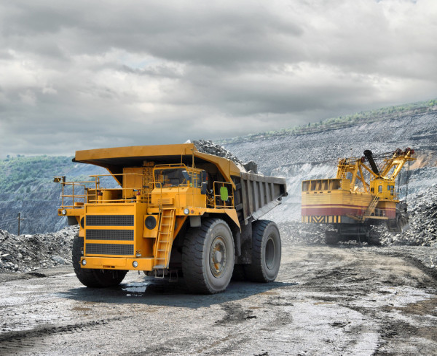
The challenge: frequent incidents in a high-risk environment A large mining operation in South America was facing persistent safety challenges associated with fatigue in haulage operations. Operating 24 hours a day with a continuous shift structure, the site was recording close to 60 haul truck-related incidents per year. Many of these incidents involved heavy mobile...
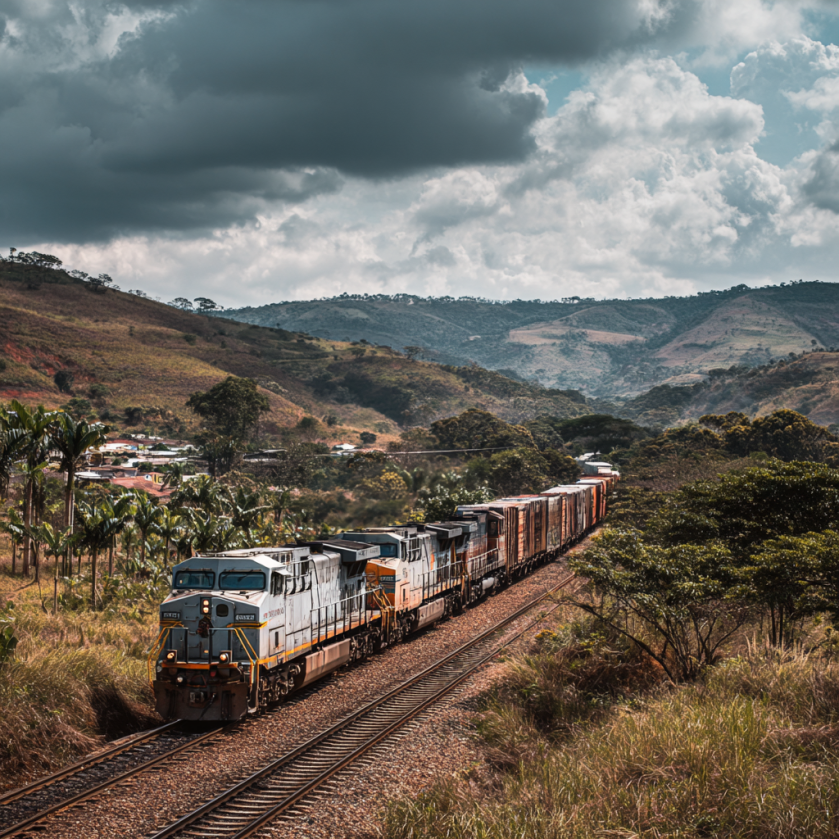
How FCAB reduced fatigue risk by over 70% with predictive fatigue monitoring Background Founded in 1888, FCAB is one of Chile’s oldest railway companies, operating a network of more than 700 kilometres that connects major mining operations and transports commodities in northern Chile to export ports along the Pacific coast. With safety at the heart...
How can a remote mine site transmit data without wireless connectivity? We faced a unique difficulty: How could we transmit data on a remote mine site where there was no Wi-Fi or cellular coverage? Our team developed a novel solution that transmits real-time data over radio packet network. Given the low footprint of our system...
Drivers moving from 8-hour to 12-hour shifts were less drowsy! A large Brazilian mine evaluated the outcome of changing its truck drivers from working 8-hour shifts to 12-hour shifts. Optalert analysed the data from its fatigue management solution to assess the impact on driver drowsiness. Read on to learn how we reduced risk by 40%...

Search

Categories

Categories

Date

Date

Search

Categories

Categories

Date

Date