
Case Study: Fatigue management in rail operations

How FCAB reduced fatigue risk by over 70% with predictive fatigue monitoring

Background

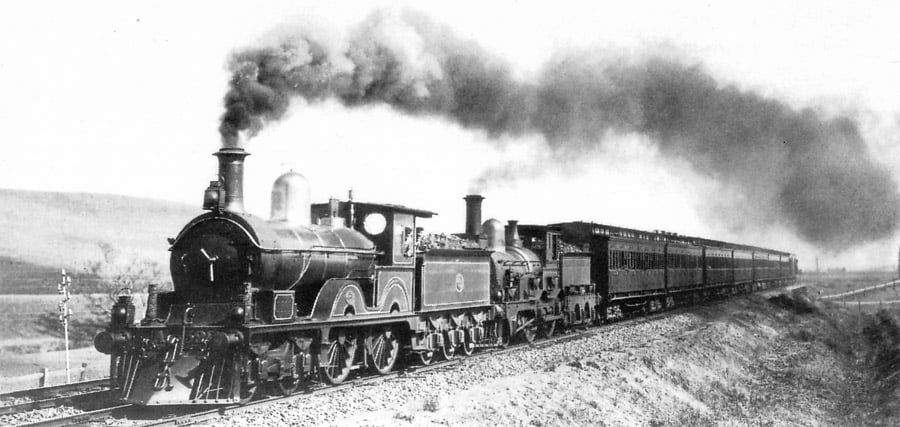
Founded in 1888, FCAB is one of Chile’s oldest railway companies, operating a network of more than 700 kilometres that connects major mining operations and transports commodities in northern Chile to export ports along the Pacific coast.

With safety at the heart of its operations, FCAB’s strategic goal has long been to maintain world-class safety standards while continuously improving operational efficiency. However, as train operators and maintenance crews often work long hours across vast and remote terrain, fatigue emerged as a significant safety concern. FCAB sought an advanced solution to proactively predict and manage fatigue risk, long before it could compromise safety or performance. 

Optalert improved operations across FCAB across numerous metrics: 

Reduction in

Reduction in

Increase in

fatigue risk exposure

fatigue alerts

system usage

Organisations using Optalert over the longer-term have achieved reductions of over 95% in fatigue-related incidents. 

Fatigue: a persistent safety threat

In long-distance rail operations, fatigue is one of the most persistent and dangerous safety challenges. For FCAB, the combination of extended shifts, variable terrain, and remote environments made monitoring fatigue particularly difficult. 

Limitations of previous systems

Before adopting Optalert, FCAB relied on camera-based fatigue monitoring systems. While these systems offered basic visual monitoring, they proved unreliable in the field: 

  • Accuracy was disrupted by operator movement and lighting conditions. 
  • Systems produced reactive alerts, after the level of drowsiness was extremely high-risk and sleep onset was imminent. 
  • Operators found them intrusive and inconsistent, leading to low trust and adoption. 

As a result, fatigue-related risks persisted. Operators lost confidence in the technology, and supervisors lacked reliable early-warning data. FCAB needed a non-intrusive, predictive solution that could operate reliably in remote locations and alert supervisors before fatigue became critical. 

The solution: Optalert’s Eagle fatigue management system

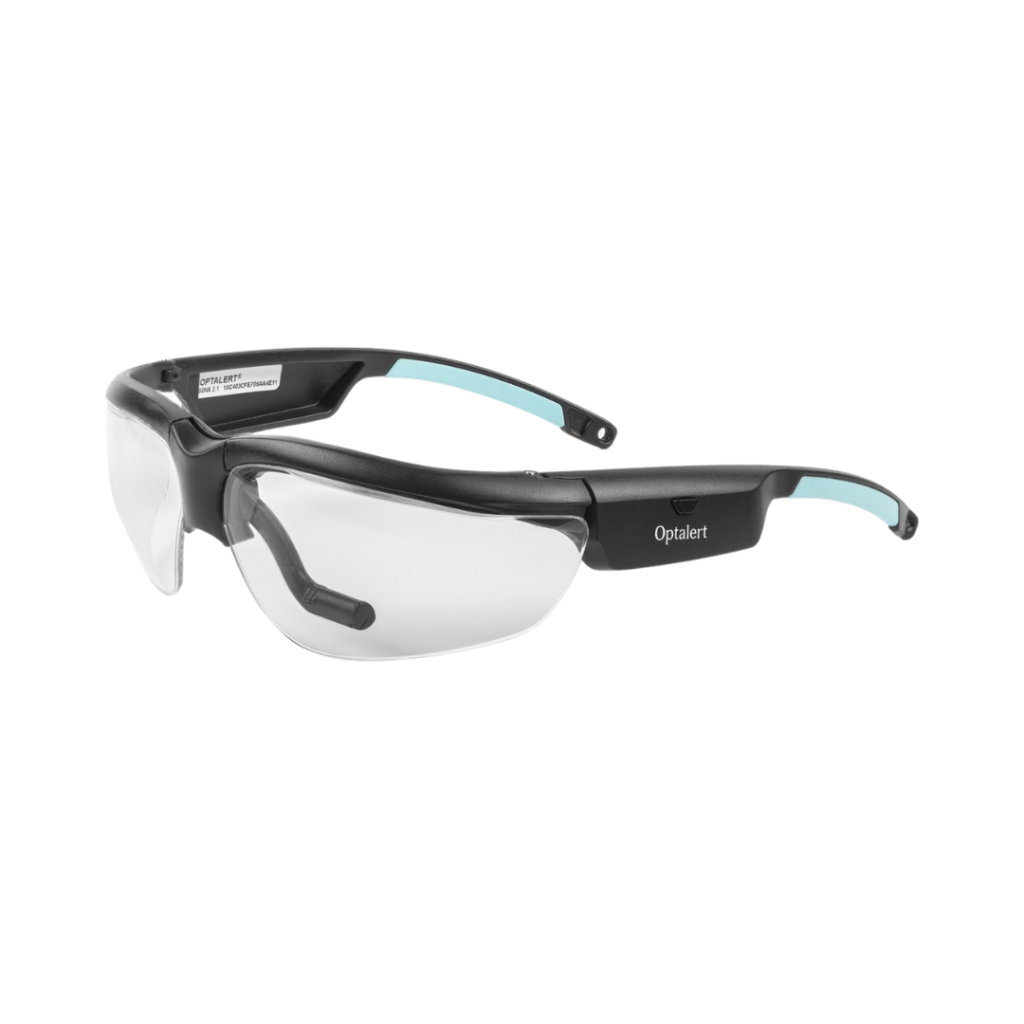
To address these challenges, FCAB implemented Optalert’s Eagle system, a predictive fatigue management platform. It measures fatigue in real-time using eyelid movements to detect the earliest signs of drowsiness long before risk is critical. 

Eagle Glasses

Measures subtle eyelid movements to detect microsleep risk at least 15–20 minutes before critical impairment.

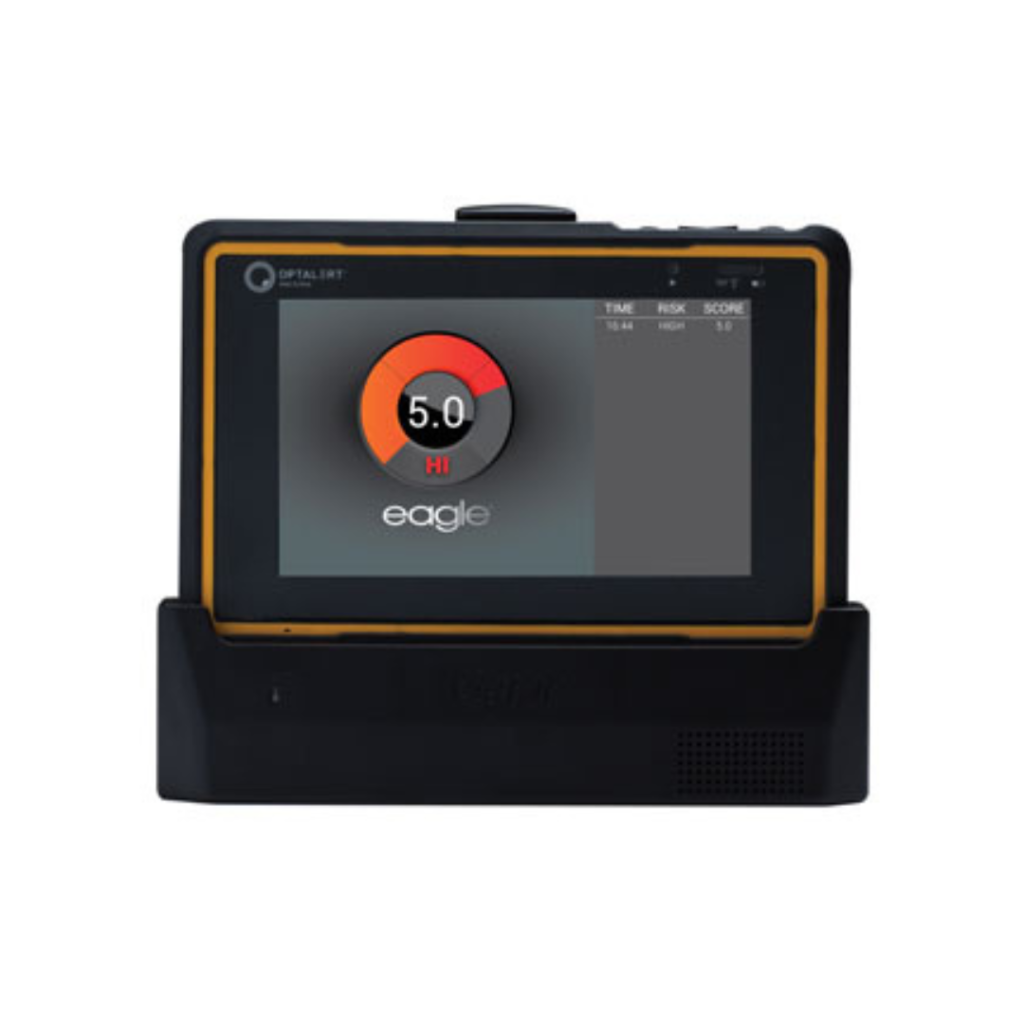
Eagle Industrial Tablet

Displays real-time operator alertness scores on a 0–10 scale, updated every minute. 

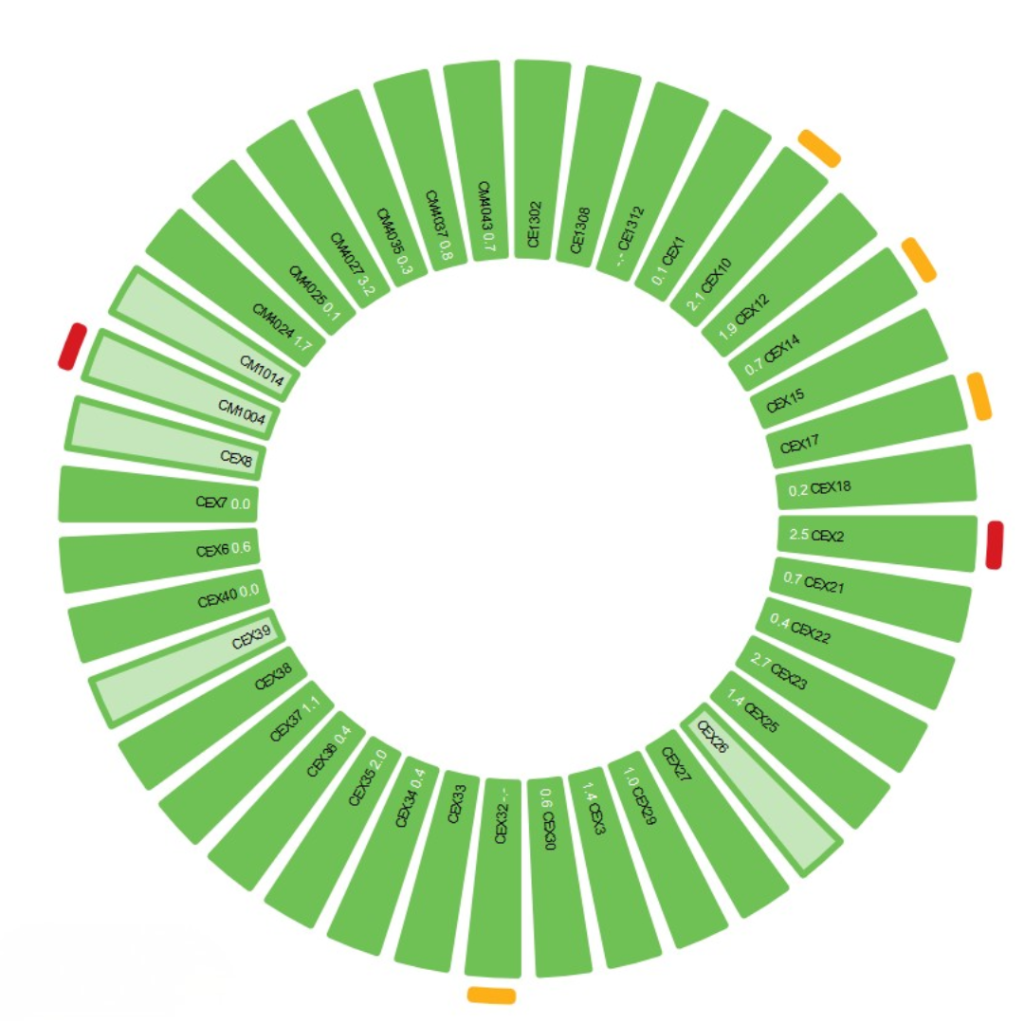
Eagle Eye Dashboard

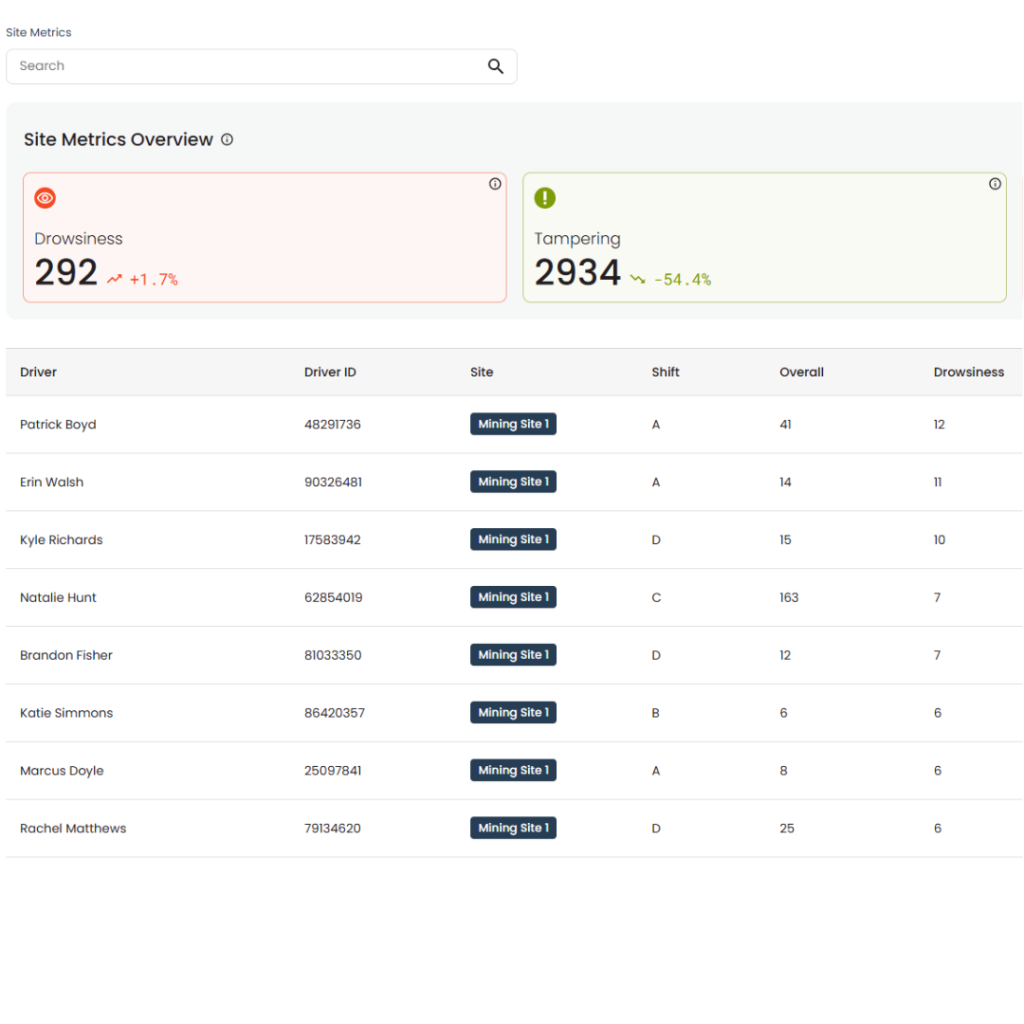
Allows supervisors to track live alertness data across fleets. 

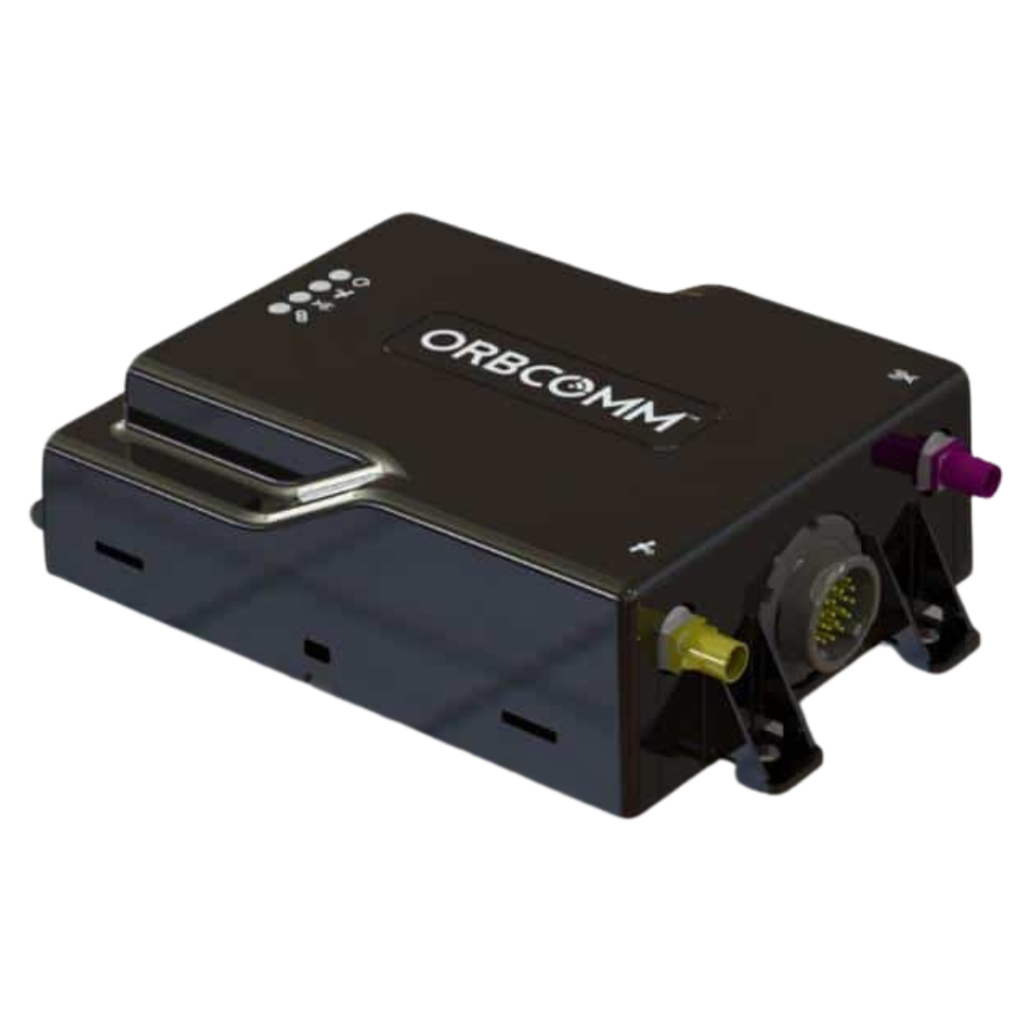
Satellite Modem Integration

Maintains data transmission even in network black zones.

Why Optalert stands apart

Medical-grade accuracy: The system uses the Johns Drowsiness Scale (JDS™) – a measure validated in over 130 peer-reviewed studies and recognised by Harvard Medical School as “commensurate with gold standard laboratory measures”. 

Speed: Operations teams receive impairment alerts in less than one second. 

Reliability: Performance is unaffected by lighting, weather, or movement. 

Personalisation: Each operator’s baseline is unique, allowing for tailored accuracy. 

Multi-tiered fatigue management: Real-time detection and instant alerts for drivers and operations teams.

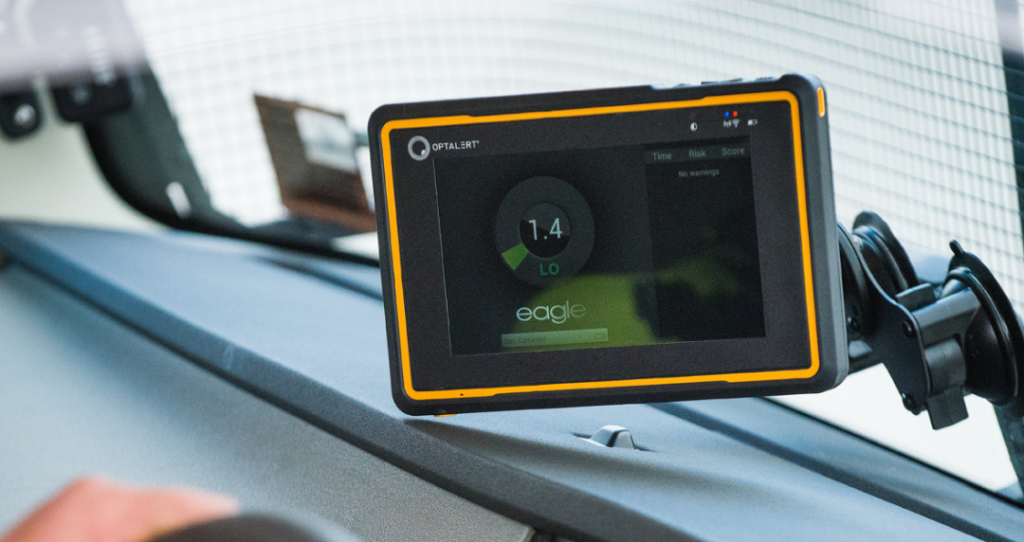
Operator

In-cab display shows live JDS score and issues audio alerts.

Supervisor

IRIS™ dashboard provides real-time fleet view and optional SMS/email alerts.

Analytics

Eagle Insights provides longer-term data analytics to predict and reduce systemic risk.

Implementation

Step 1
Pilot testing in selected operations to confirm it is suitable for operations
Step 1
Step 2
Operator and supervisor training on using the Eagle Glasses and dashboard tools
Step 2
Step 3
Full-scale deployment across FCAB’s rail and maintenance teams
Step 3
Step 4
Integration into existing safety management procedures, ensuring fatigue data informed shift planning and rest scheduling
Step 4

Results

Quantifiable Outcomes

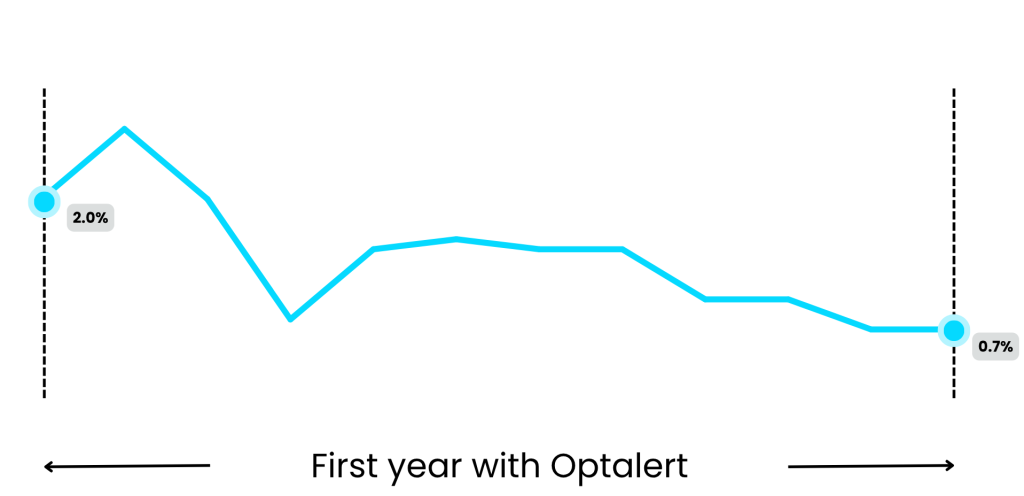
74% reduction in fatigue risk exposure across monitored teams.

Risk zone time (%)

54% reduction in monthly high or medium-risk alerts. 

Average time in hours between medium or high risk alerts

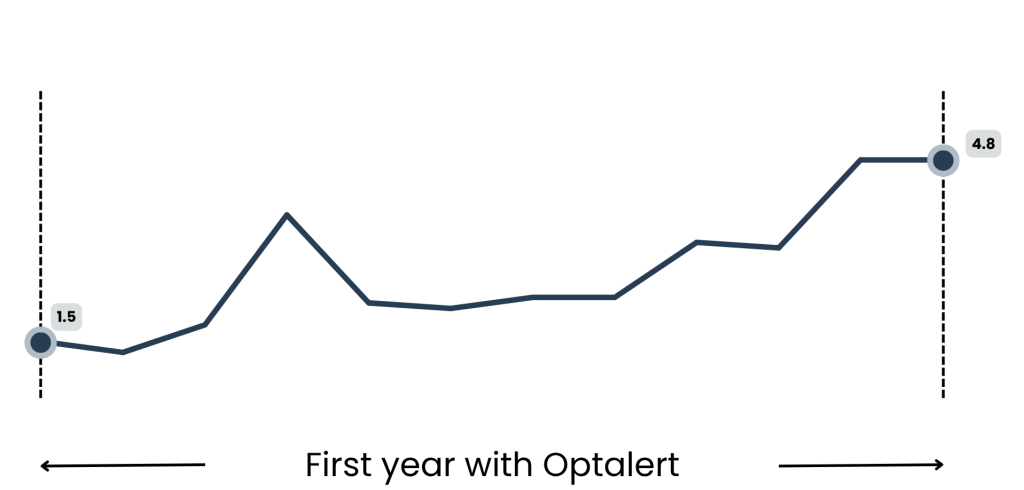
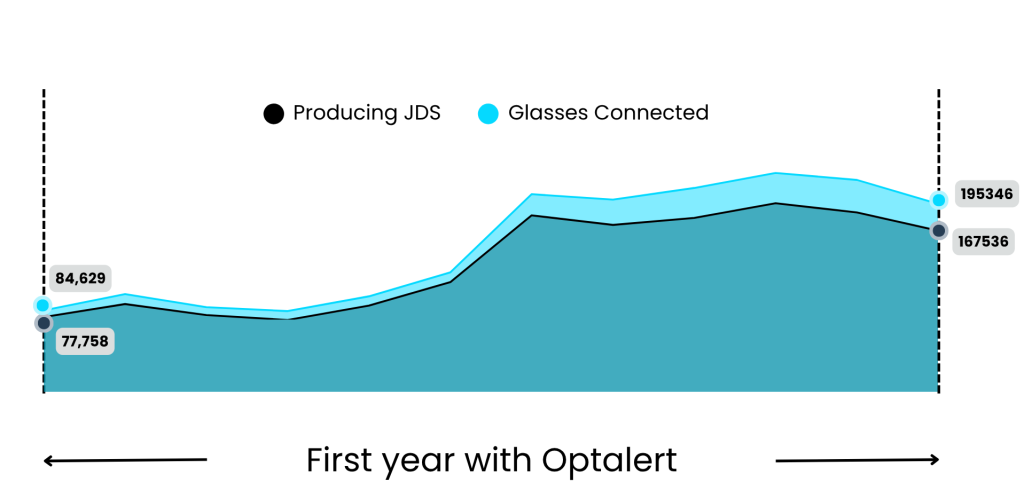
152% increase in system usage year-on-year, indicating strong adoption and trust. 

Time in use (minutes)

Operational Impact

FCAB saw measurable reductions in fatigue-related incidents and a sustained drop in alert frequency. Operator confidence in fatigue monitoring technology improved significantly, and fatigue data is now embedded in daily operational decisions. 

Cultural Impact

Supervisors use predictive fatigue data for proactive rest planning and shift management. The adoption of Optalert technology has strengthened FCAB’s overall safety culture and enhanced its commitment to workforce wellbeing. 

Testimonials from FCAB

The detection is so early that, even before the operator or person realises they’re getting sleepy, the device can already alert us and trigger warnings and alarms on the in-cabin display, allowing actions to be taken to prevent the operator from actually falling asleep.

At FCAB, the safety of our work teams is the most important thing. For this reason, and with the goal of preventing serious accidents in our operations, we have implemented advanced technology called Optalert in our maintenance and railway operations…. this monitoring allows us to reduce potential dangerous events related to fatigue and sleepiness.

Summary

Using Optalert’s predictive fatigue monitoring system, FCAB transformed its fatigue management approach from reactive to predictive. The team shifted from a fire alarm to a smoke detector. The results demonstrate measurable improvements in safety, workforce engagement, and operational efficiency, showcasing the power of predictive analytics in managing fatigue and improving safety outcomes across industrial operations. 

Watch the Video Below to See How FCAB Transformed Their Fatigue Management

Ready to take fatigue risk out of your operations?

Contact Optalert to learn how predictive fatigue management can make your operation both safer and more productive. 

Facebook
Twitter
LinkedIn